
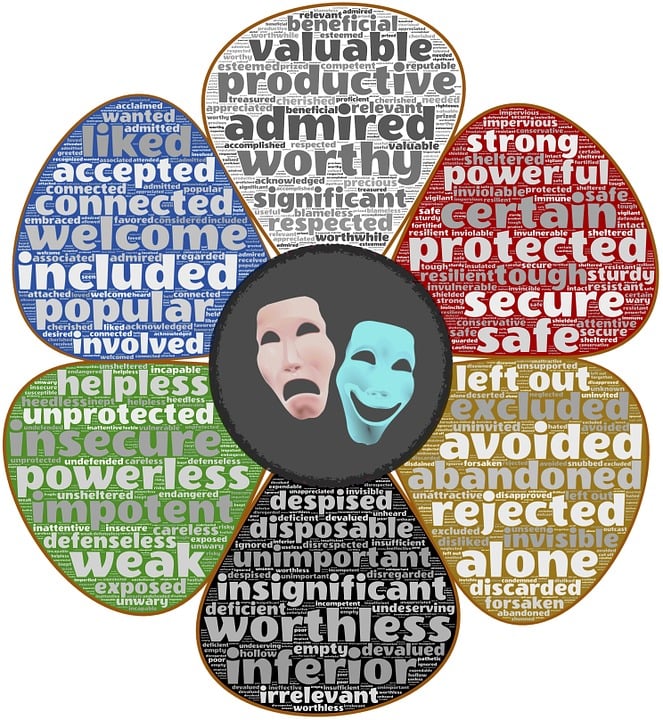
Crashing out is a self-destruct sequence caused by your own behaviour finally catching up with you. It usually presents itself as endlessly manic, enraged, bitter, or out-and-out nasty posting on social media.
Back in my hospitality days, I had a fierce French colleague we’ll call Eloise, who taught me a lot about myself. I think she thought I was a narcissist, which is fair enough. Pretty close. I have borderline personality disorder, and it’s in the same category of mental illness. However, unlike a narcissist, I am painfully aware of all my shortcomings and weaknesses. The mask is very precarious, and I feel a lot of empathy, thankfully.
Anyhow, on a night out, she said, “Let’s play a game. Describe a cube. What does it look like? Where is it? How big is it?” There was more to the game, but this is the part that stuck with me. Without hesitation, I said, “Okay. It’s huge – absolutely enormous, reaching into the clouds in a vast and empty space.” She smiled the wryest smile I’ve ever seen, “Go on, and what’s it made of?” “Glass.” I responded triumphantly, imagining I was describing my dream home – a huge, modern open-plan space with breathtaking vistas. “Imo…” She was laughing aloud by this point. “That is your ego, you just described your ego.”
I didn’t have a diagnosis at that point. In fact, I thought I was just awesome, and that everyone else’s incompetence/malice was the reason I could never find peace. It was a pivotal moment, truly life-changing. I hope other people are lucky enough to meet an “Eloise” with the balls and insight to tell them honestly about themselves.
So, what does that have to do with Kanye West, Elon Musk, J.K. Rowling, Kevin Spacey, Whitney Houston, and many, many others? Well, perhaps if they had a few Eloises in their lives, personal grudges and misery wouldn’t dictate their actions. Unchecked ego is an extremely dangerous thing, with infinitely more dire consequences for us ordinary folks.
What Is Ego?
Okay, let’s talk about ego. What did Eloise mean when she looked at my giant glass cube and saw my ego? Often, we use the word to talk about someone’s self-importance. If someone seems too full of themselves, we might say they have a big ego.
Psychology looks at it a bit more deeply, but it’s related. Sigmund Freud, a famous psychologist, described the mind as having three parts:
- The ID is our basic instincts and desires. It just wants what it wants, right now.
- The superego reflects our conscience or inner rulebook, telling us what we should and shouldn’t do, based on morals and rules we learned as children or taught ourselves the hard way as adults.
- The Ego is the part in the middle, the manager. It tries to deal with the real world and balances what our basic desires want with what our inner rules say, in an effort to figure out how we should act. It’s the part that makes decisions and gives us our sense of self.
Today, psychologists often think of the ego as our “self-concept.” This includes how we see ourselves, who we think we are, what we believe we can do, and where we fit in. It also includes our self-esteem, which is how much we value ourselves.
So when Eloise said my huge, glass cube in an empty space was my ego, she meant it represented how I saw myself. She saw someone who felt huge, wanted to be seen, and was extremely fragile (glass), but also felt exposed and alone in an empty space, reaching for unattainable things up in the clouds. It showed my ambition but also my hidden weakness. The ego is basically our idea of “I” – how we see ourselves and how we act based on that view.
What Is Crashing Out and Why Is Everyone Suddenly Using This Term?
You might hear the phrase crashing out a lot these days. It’s slang, but it describes something specific. Namely, failing badly, often in public, usually because of your own arrogance or bad choices. Think of someone famous whose career blows up after they say or do something foolish (ahem, Kanye).
Why does this phrase seem so common now? There are probably a few reasons coming together:
- Social media: Mistakes and bad behaviour can be seen by millions of people instantly online. When someone well-known messes up, their crash out is very public.
- News coverage: Failures and scandals make big news. News outlets often focus on these stories.
- Focus on celebrities: We tend to watch famous people closely. When people like Kanye or Elon Musk act erratically following public criticism, crashing out seems like a fitting description.
- Reaction to arrogance: Sometimes, when very powerful or rich people who seem arrogant finally stumble, people might feel a sense of satisfaction, even if it’s uncomfortable. It can feel like things are balancing out.
- It feels familiar: Most of us won’t crash out publicly, but we might see similar patterns of self-sabotage or unchecked behaviour in ourselves or people we know. The phrase makes sense because it points to a real human tendency for ego to cause problems.
So, crashing out is a modern way to describe arrogance leading to a downfall – pride before a fall – often playing out for everyone to see. It’s what can happen when someone’s ego gets too big, causing the owner to lose touch with reality.
How Do People Get an Overinflated Ego?
A very large ego, one that’s maybe too big for its own good, doesn’t just happen suddenly. It usually builds up over time. Here are some ways it can happen:
- Childhood experiences: Sometimes, kids who are always told they’re perfect and never criticized can grow up feeling entitled and unable to see their own flaws. But the opposite can also happen. Kids who are constantly criticized or ignored might develop a big ego as a defense, like armour to hide feelings of being not good enough.
- Success without humility: Becoming successful or wealthy can definitely boost the ego. If someone starts believing they achieved everything entirely on their own, without luck or help, their ego can swell. They start believing their own hype.
- Surrounding yourself with “yes-people”: If you only listen to people who agree with you and praise you, you create an echo chamber that constantly reinforces your inflated view of yourself. Powerful people especially might attract those who only tell them what they want to hear, cutting them off from honest feedback.
- Hiding insecurity: As I mentioned with my own experience, a big ego isn’t always about truly feeling great. Often, it’s a fragile mask hiding deep insecurity or shame. This kind of ego needs constant praise and reacts very badly to criticism because any challenge feels like a threat that could break the mask.
- Not looking inward: Some people don’t spend time thinking about their own motives or how they affect others. Without this self-reflection, the ego can grow without any checks, guided only by desires and outside approval.
- Mental shortcuts: Our brains sometimes trick us. We tend to notice information that confirms what we already believe (including beliefs about how great we are). We also tend to take credit for successes but blame failures on outside factors. These mental habits can feed a big ego without us realizing it.
Usually, it’s a mix of these things over time that leads to an ego becoming too big, defensive, and out of touch with the real world.
Will I Know If I Have a Big Ego?
Phew, what a tough question. Often, a truly huge, problematic ego comes with a built-in blind spot. If you genuinely believe you’re better than everyone else, you probably won’t question that belief.
But for most people, there are usually signs, especially if you’re willing to be honest with yourself. The simple fact that you’re asking this question is a positive sign. It shows you have some self-awareness, which someone totally lost in their ego might lack.
Here are some things to ask yourself that might show if your ego needs checking:
- How do you react to criticism? Do you get angry or defensive right away? Do you attack the person giving feedback? Or can you listen and think about it?
- Do you constantly need praise? Does your mood depend a lot on whether people approve or disapprove of you?
- How much do you talk compared to listening? Do you take over conversations? Do you interrupt often? Are you really interested in what others say, or just waiting for your turn?
- Do you often feel superior to others? Do you find yourself judging people or looking down on them?
- How do you feel about other people’s success? Can you be happy for them? Or do you feel jealous or need to put them down?
- Is it hard for you to admit you’re wrong or say sorry? Does apologising feel like losing? Do you often make excuses or blame others?
- Are you overly worried about status or impressing people? Is your self-worth tied up in your job title, possessions, or looks?
- Do you hold onto anger or feel easily insulted? People who mask their insecurity often overreact to criticism and hold onto negative experiences.
There’s also something called the Dunning-Kruger effect. Psychologists found that people who aren’t very skilled at something often think they are much better at it than they really are. So, lacking skill can sometimes prevent you from realizing you lack skill.
So, can you know for sure? Maybe not absolutely. But if you often feel like you’re clashing with the world, feel misunderstood, get into fights, or notice these kinds of patterns in yourself, it’s a strong sign your ego might be running the show too much. Sometimes, like with Eloise, it takes someone else pointing it out. But being willing to think about it is the most important first step.
What Makes People Crash Out?
People tend to crash out when their inflated ego, which has lost touch with reality, finally runs into serious trouble or pushes things too far. It’s the end result of ego-driven behaviour that goes unchecked. Think of it like driving dangerously – you might get away with it for a while, but eventually, something bad is likely to happen. Here’s what often leads to the crash:
- Ignoring reality: The inflated ego ignores difficult truths, bad news, warnings, and negative feedback. The person acts based on how they want things to be, not how they are. Eventually, reality hits hard – a job fails, a relationship ends, or a scandal breaks.
- Making bad decisions: Being overconfident leads to taking huge risks without thinking them through. Decisions are made to make the ego feel good instead of based on good sense.
- Pushing people away: Arrogance, entitlement, and a lack of care for others damage relationships. People with unchecked egos often use or dismiss others.
- Breaking rules: Feeling superior can lead to believing rules don’t apply to you. This might be small social rules or even laws. While power might protect someone for a while, constantly breaking boundaries often leads to being caught and facing consequences.
- Making things worse: When challenged, a fragile or inflated ego often digs in its heels instead of compromising. Small disagreements turn into big fights. Mistakes and lies get covered up with more mistakes and lies, and escalation pushes things toward a breaking point.
- The mask falling off: Especially if the ego is hiding insecurity, keeping up the act takes energy. Under pressure, the true self or hidden problems might suddenly show, shattering the image the person tried to create.
TLDR: Crashing out happens when the ego’s pull becomes so strong that it warps judgment and behaviour, leading to a collision with the real world.
Some Observations About Public Figures and Their Crash Outs
We mentioned names like Kanye West, Elon Musk, J.K. Rowling, Kevin Spacey, and Whitney Houston. Looking at their public lives, we can speculate – as outside observers – about how unchecked ego might have played a role in some of their struggles or crash outs. It’s important to remember we don’t know their inner lives, and these are just interpretations based on public information. But they can illustrate the patterns we’ve discussed:
- Kanye West: His outbursts, declarations of genius, and feuds could be seen as signs of an ego needing constant validation and reacting very strongly to perceived criticism or lack of respect. The grandiosity might mask deeper insecurities, and certainty reflects serious mental illness.
- Elon Musk: His huge business risks (some successful, some less so), provocative online behaviour, and clashes with critics or regulators could suggest extreme self-confidence, perhaps bordering on hubris. He often seems to disregard established norms and push boundaries, which can be linked to an ego that resists constraints. When people disagree with him, he reacts disproportionately.
- J.K. Rowling: Her outspoken stance on gender identity issues, despite significant backlash, could be interpreted as her ego being deeply invested in her convictions. While holding strong beliefs isn’t inherently bad, an unchecked ego makes it very difficult to cope with backlash.
- Kevin Spacey: The serious allegations against him, leading to a dramatic career downfall, seem to point towards a potential abuse of power. An inflated ego, combined with fame and influence, might lead someone to believe they are entitled to act without consequences and that normal rules don’t apply to them.
- Whitney Houston: Her tragic story is complex, involving addiction. While not solely about ego, the immense pressure of global fame could certainly impact one’s sense of self. An ego struggling under the weight of a perfect public image, perhaps hiding private pain and insecurities, might contribute to difficulties in coping and seeking help, potentially leading to self-destructive behaviours.
Again, these are just possible interpretations from afar. But these public stories serve as powerful, though sometimes tragic, examples of how the dynamics of ego – the need for external validation, the dangers of overconfidence, the difficulty with criticism, and the potential for entitlement – can play out on a grand scale, leading towards behaviour that results in a crash out.
Is It Only Rich and Famous People Who Crash Out Due to Ego?
No, absolutely not. It might seem that way sometimes because when famous or powerful people crash out, their lives are visible, and the consequences of their actions often affect many people or involve large sums of money, making for dramatic stories. We see their rise and their fall played out publicly.
But the truth is, an inflated or unchecked ego can cause problems for absolutely anyone, in any walk of life. The same patterns of behaviour that lead to public figures stumbling can cause damage in everyday situations, even if they don’t make headlines.
Think about it in regular life:
- Maybe you know a manager who thinks they know everything, ignores feedback from their team, and makes poor decisions based on pride. They might eventually get demoted, fired, or simply lose the respect of everyone they work with – a career “crash out.”
- Consider a parent who is so convinced they are always right that they refuse to listen to their children’s feelings or perspectives. Over time, this can severely damage their relationship, leading to estrangement – a family “crash out.”
- What about the friend who always needs to dominate conversations, belittle others’ achievements, or prove they are superior? Eventually, people may tire of this behaviour and drift away, leaving that person isolated – a social “crash out.”
- Someone might take huge financial risks they can’t afford, driven by an overconfident belief they’re smarter than the market, and end up in serious debt – a personal finance “crash out.”
- Pride can stop someone from recognising or apologising for a mistake, leading to the deterioration or loss of a valued friendship or romantic relationship.
The underlying issues are often the same, whether someone is famous or not: deep insecurity masked by arrogance, a desperate need for validation, reacting badly to criticism, feeling entitled, or simply lacking self-awareness.
The main difference is the scale of the fallout. A celebrity ego trip might affect millions of fans or cost billions of pounds. An everyday ego trip might “only” cost someone their job, their marriage, their friendships, or their peace of mind. But the personal pain, the damaged relationships, and the self-inflicted harm are just as real and devastating for the individual involved.
Ego is a human challenge, not just a celebrity one. Learning to keep it in check is important for everyone who wants to lead a balanced life and maintain healthy relationships.
How Do You Keep Your Ego in Check?
Keeping your ego healthy is not about getting rid of it. A strong, secure ego helps you feel confident and handle challenges. The goal is to keep it balanced, flexible, and connected to reality. This takes ongoing effort. Here are some practical ways to do it:
- Know yourself better: Pay attention to your thoughts, feelings, and actions without judging them right away.
- Practice mindfulness. This helps you notice your thoughts (including ego-driven ones) without getting carried away by them.
- Keep a journal. Writing things down can help you see patterns in how you act and react. Ask yourself why you felt or acted a certain way.
- Consider therapy. A therapist can offer an outside view and help you understand yourself better in a safe space.
- Ask for and listen to feedback: Make an effort to hear what others really think, especially things that might be hard to hear.
- Find trusted critics. Have people in your life who you know will be honest with you, even when it’s uncomfortable. Ask them for their opinions.
- Listen carefully. When someone gives you feedback, try hard to understand their point before you defend yourself. Thank them for being honest.
- Practice humility: Humility doesn’t mean thinking badly of yourself. It means thinking about yourself less and seeing yourself accurately.
- Admit you don’t know everything. Be okay with saying “I don’t know” or “I need help.”
- Be happy for others. Celebrate other people’s successes genuinely. It reminds you that life isn’t a competition.
- Learn from mistakes. See failures as chances to learn, not as attacks on your worth. This relates to having a “growth mindset,” focusing on improving rather than proving you’re already perfect.
- Develop empathy: Try to understand and share other people’s feelings. This is a great way to quiet the ego.
- See things from their view. Make an effort to imagine how someone else might feel in a situation.
- Connect with different people. Spending time with people unlike you broadens your understanding and challenges self-centered views.
- Focus on helping, not just status: Shift your focus from looking good or getting ahead to how you can contribute or help others. Finding purpose in service can be more satisfying than just feeding the ego.
- Stay grounded: Connect with things bigger than yourself.
- Spend time in nature. It helps put personal problems in perspective.
- Have hobbies you enjoy. Doing things just for fun, not for achievement, can be refreshing.
- Keep long-term friends. People who knew you before you were “somebody” can help keep you real.
Managing your ego is a lifelong practice. It takes courage to face truths about yourself, but it leads to better relationships and more inner peace.
Is Having a Big Ego Inherently Bad?
Let’s be clear here. Is having an ego bad? No. We need our ego – our sense of self – to function. And having a strong, healthy ego is actually very good. It gives us:
- Confidence: Believing in ourselves helps us try new things.
- Resilience: A healthy ego helps us handle setbacks without falling apart.
- Boundaries: It helps us say no and protect ourselves.
- Identity: It gives us a sense of who we are.
The problem comes when “big ego” means an inflated ego – one that’s puffed up, rigid, easily hurt, or defensive. It becomes “bad” when:
- It’s out of touch with reality. The person thinks they’re much greater than they are.
- It lacks empathy. The person is so focused on themselves they ignore others’ feelings.
- It’s overly defensive. Any criticism leads to anger or denial.
- It needs constant praise. Self-worth depends entirely on outside approval.
- It leads to entitlement. The person thinks they deserve special treatment.
- It pushes people away. Arrogance makes connection difficult.
So, if “big ego” means arrogant, narcissistic, and unaware? Yes, that’s definitely a problem, both for the person and everyone around them.
But if “big ego” means healthy self-esteem and solid confidence based on real skills? That’s not bad at all. It’s necessary for a good life. The difference is whether the sense of self is realistic and flexible, or an inflated, fragile bubble.
My giant glass cube really was the perfect metaphor for my ego at that time. My ego reflected ambition (size), but also fragility (glass), isolation (empty space), and illusion (clouds). It wasn’t solid or grounded like a truly healthy ego.
Surround Yourself With People Who Lovingly Challenge You
We’ve looked at the ego – what it is, how it can get out of control, the warning signs, the dangers of crashing out, and how to keep it balanced. My chat with Eloise about the cube was a wake-up call. It showed me how I saw myself – ambitious but also fragile and alone, needing to be seen but scared of being known.
The key thing was Eloise herself. She wasn’t trying to hurt me. She saw something and had the guts – and the care – to show it to me. That was the loving challenge I needed, and I’m still working on reigning my ego in. I probably always will be.
And maybe that’s the most important lesson here. Sure, we need to work on ourselves – be more self-aware, practice humility. But we also need other people to act as mirrors for us. The danger is choosing mirrors that only show us what we want to see (people who always agree or flatter us). Real growth comes from finding people who offer honest reflections, who challenge us when we’re off track – not to be mean, but because they care.
It’s not always easy to hear criticism. The ego wants to protect itself. But if we can learn to see these challenges as helpful gifts, we have a much better chance of staying grounded, building real connections, and avoiding painful crashes. Find your own “Eloises.” Value their honesty. And maybe try to be that honest, caring mirror for someone else too. It could make all the difference.
 Imogen Sharma
Leave a comment